EU and Africa launch regional maritime security plan to tackle piracy and trafficking
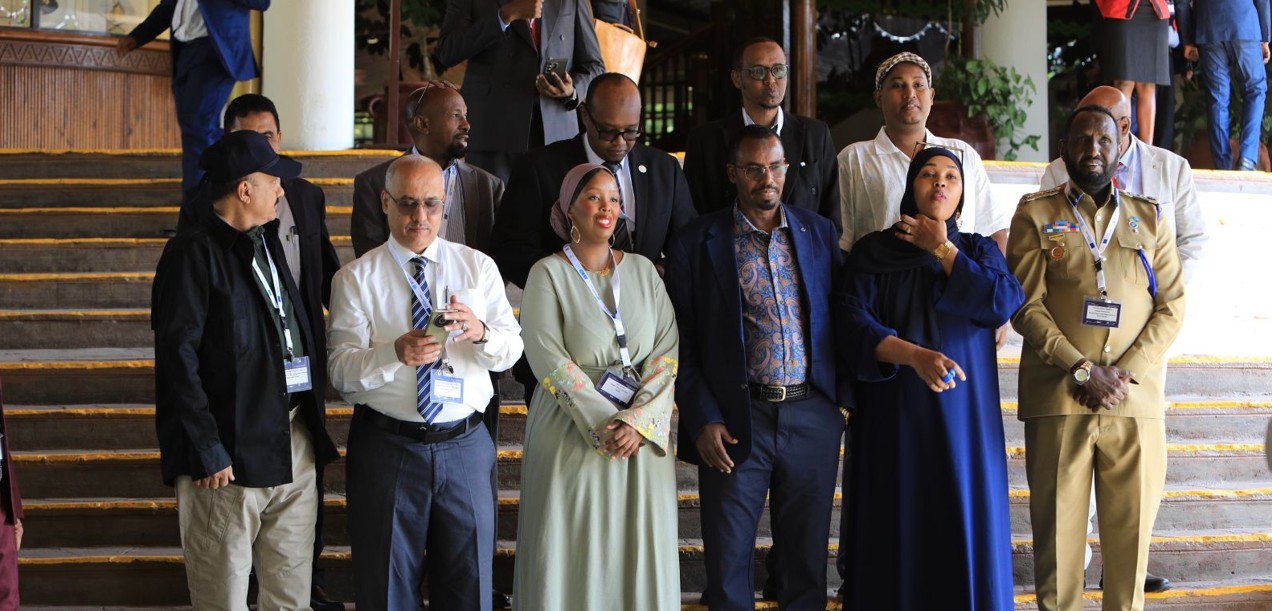
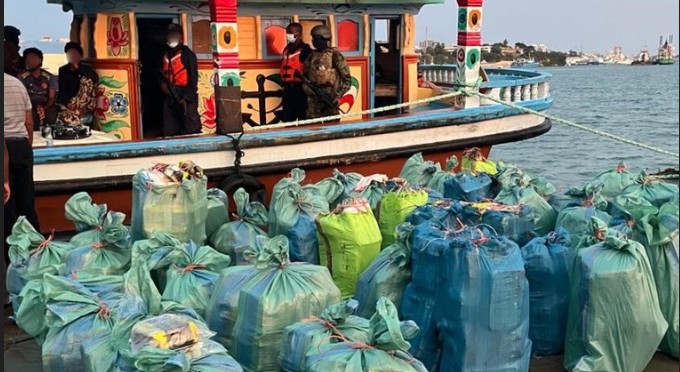
The EU, African states and UN agencies are meeting in Nairobi to design a joint maritime security plan for the Red Sea and Western Indian Ocean, targeting piracy, trafficking and unsafe navigation.
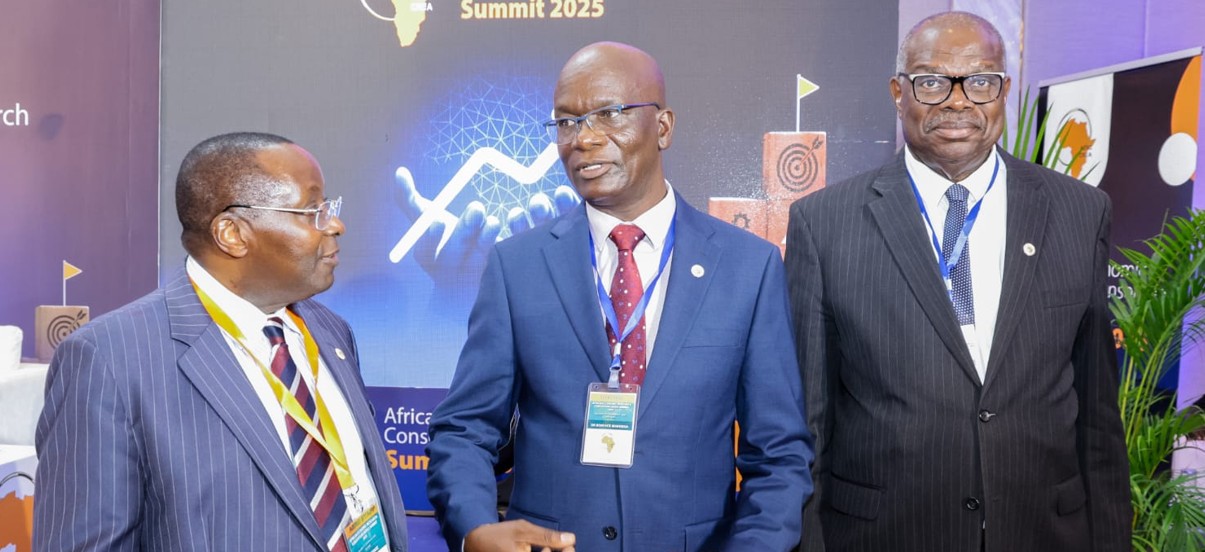
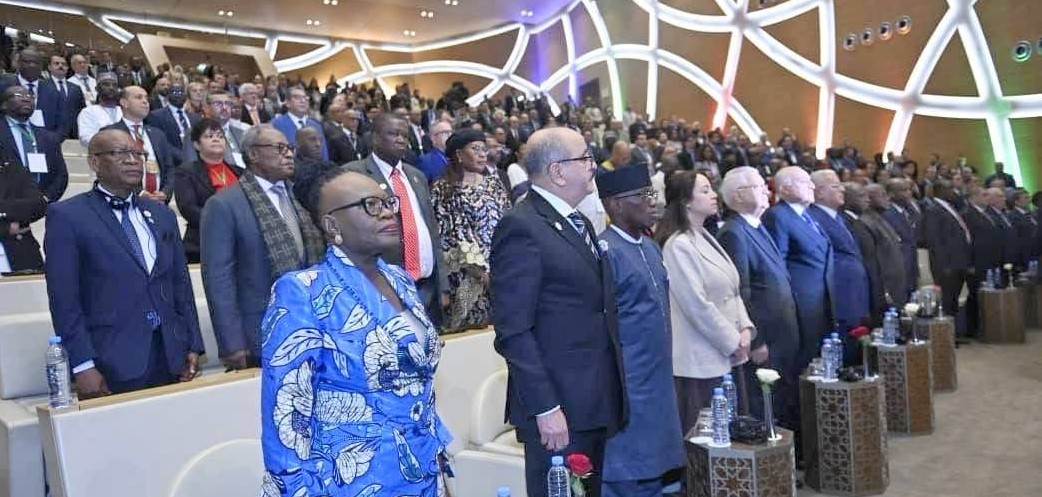
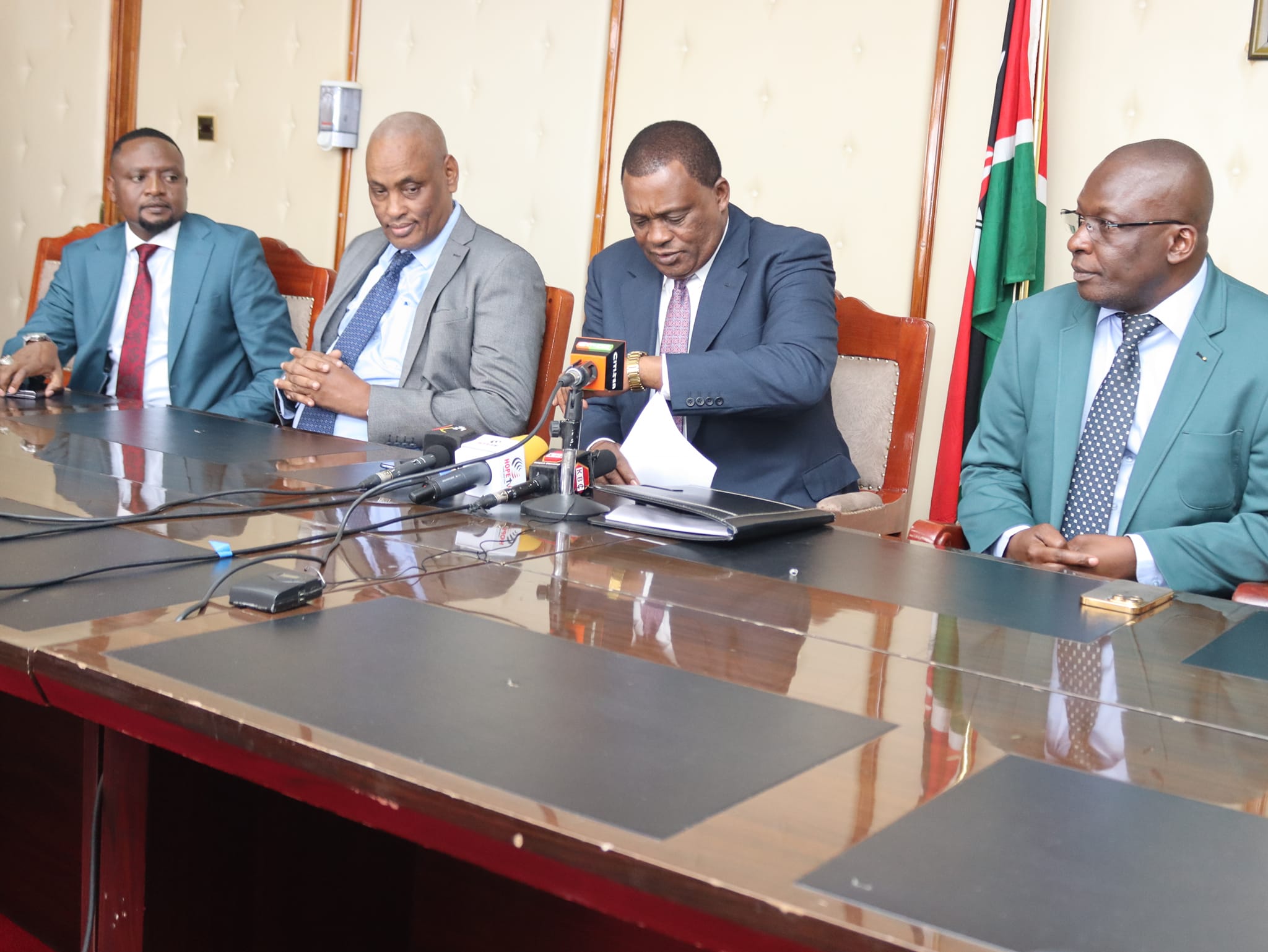
A delegation of EU officials, senior maritime officers from the region, and representatives from the United Nations Office on Drugs and Crime (UNODC), the Indian Ocean Commission (IOC), the International Maritime Organisation (IMO), and INTERPOL have convened a week-long meeting in Nairobi to develop a harmonised regional maritime security plan covering the Red Sea, East Africa, Southern Africa, and the Western Indian Ocean.
The meeting comes in the wake of a reported reduction in ship attacks by the Houthis in the Red Sea since the Israel-Hamas ceasefire began in Gaza on 10 October. It is expected to tackle other maritime security threats, including piracy, illicit trafficking, and unsafe navigation.
More To Read
- Cameroon opposition activist Anicet Ekane dies in custody; party demands accountability
- Tanzania dispatches envoy to Brussels to avert Sh23.3 billion EU aid freeze
- Tanzania challenges EU debate on Tundu Lissu and post-election crisis
- Luanda Summit: Europe reinforces ties with Africa as competition intensifies
- Ethiopia’s Hayli Gubbi volcano spews ash across Red Sea into Yemen in historic eruption
- EU plans increased funding to support Somalia’s security transition
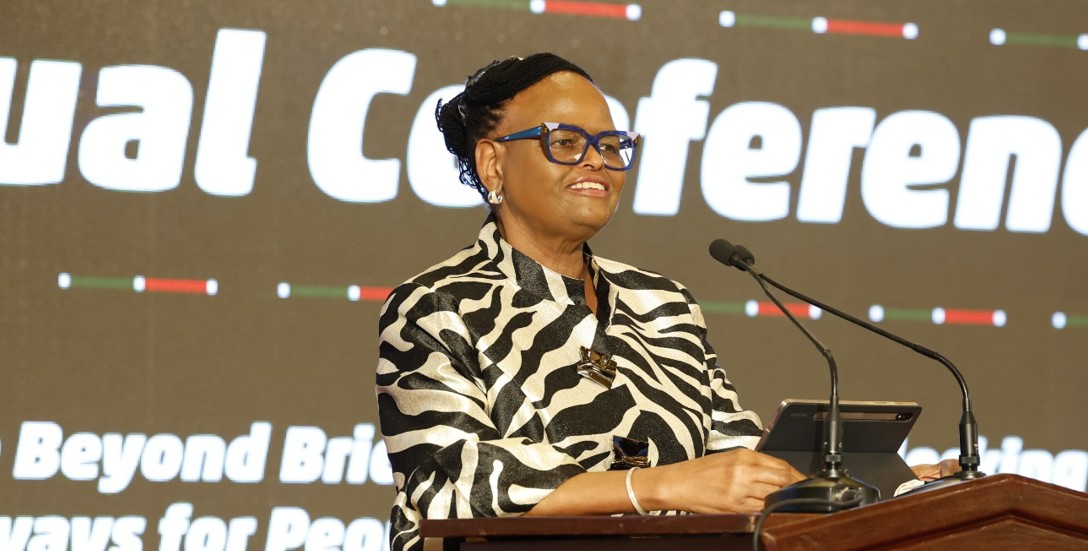
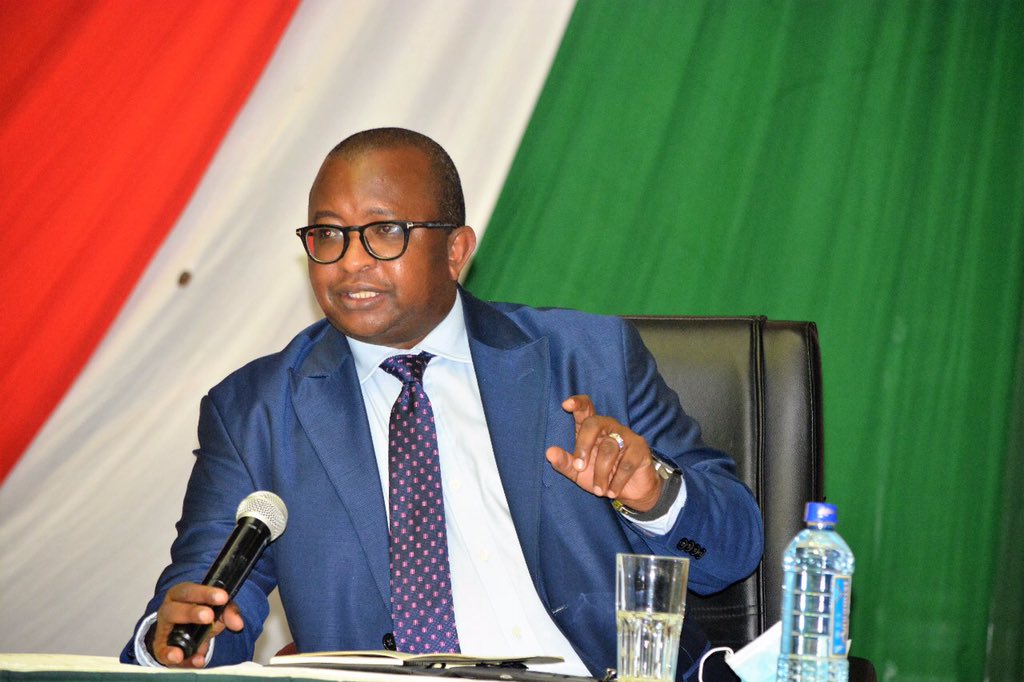
Speaking on behalf of Defence CS Soipan Tuya, Brigadier Mohammed Shemote of the Kenya Defence Forces said Kenya welcomes the initiative, noting that maritime security is a crucial component of both national and regional security.
Security at sea
"This forum provides a unique opportunity to deepen our partnerships, bridge our perspectives, and reaffirm that security at sea is a shared responsibility. Kenya remains fully committed to working with all of you in building a safer, stronger, and more prosperous maritime domain," he said at the opening session.
Shemote emphasised the need for a coherent, coordinated plan aligned with African priorities and anchored in regional mechanisms such as the Djibouti Code of Conduct, the Lomé Charter, and the African Integrated Maritime Strategy, to ensure safe waters, secure trade routes, and vibrant maritime economies.
"Our region continues to grapple with the constantly changing threats of piracy, illicit trafficking, IUU fishing, maritime terrorism, and the increasing effects of climate-induced instability. These threats do not respect national borders; neither can our responses be confined within them," he added.
Kenya is a signatory to the EU Safe Seas Africa Programme, a partnership that has enhanced cooperation, improved maritime domain awareness, and strengthened the capacities of navies, coastguards, and law enforcement agencies.
Meaningful and lasting impact
"This programme has demonstrated that, where Africa and Europe work in genuine partnership guided by shared responsibility and mutual respect, meaningful and lasting impact is achievable," Shemote said.
Kenya called for a strategy shaped by the priorities of concerned nations, promoting interoperability and information-sharing to improve the capacity to detect, communicate, and respond jointly to threats across maritime zones.
The country also advocates investments that strengthen local institutions and build enduring capabilities, alongside security measures that support sustainable growth in maritime trade, fisheries, offshore energy, and coastal tourism.
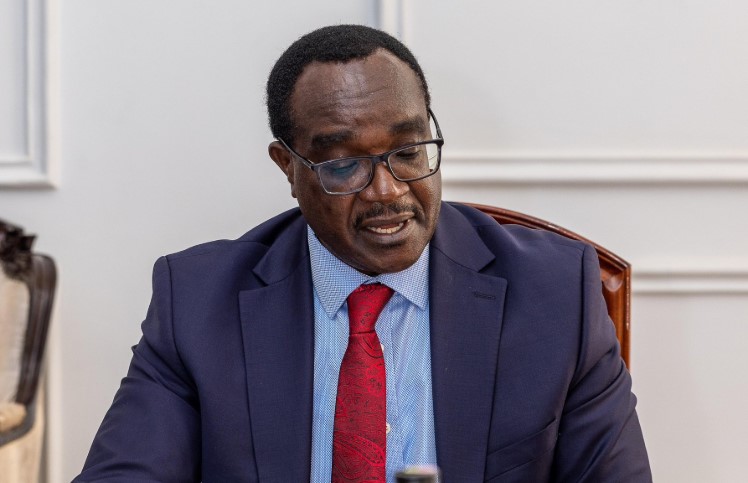
On his part, Deputy Head of the European Union Delegation to Kenya Ondrej Simek said the gathering represents a key step in developing a coherent EU approach to maritime security across the Red Sea, East Africa, Southern Africa, and the Western Indian Ocean.
"What we are doing here for the first time is that we are bringing together the Safe Seas for Africa programme, the Red Sea Programme, and the Port Security and Safety of Navigation Programme. We believe that by uniting these initiatives, we are able to enhance cooperation and formulate joint solutions for threats that you are sharing across the region and that we are sharing with you," he said.
Law enforcement and judicial cooperation
The Safe Seas for Africa programme focuses on law enforcement and judicial cooperation, helping governments and regional structures bridge the gap between maritime operations and legal frameworks, strengthening the chain from interdiction to prosecution.
The Red Sea Programme addresses challenges in a strategic corridor with overlapping maritime risks and geopolitical concerns, while the Port Security and Safety of Navigation Programme aims to improve port security and navigational safety.
"These programmes work together to provide a very strong EU contribution to maritime governance by enhancing security at sea. We align policies with regional standards, strengthen systems, and ensure African ownership at every step. The gathering today is evidence of just that. We are trying to create an enabling and better environment for supporting secure routes, for the maritime environment in terms of trade, stability, and prosperity for all, and strengthen partnership between the EU and your respective countries," Simek said.
Top Stories Today